Posted on

How Can You Stop Winter Condensation on a Thermally Broken Roof Lantern?
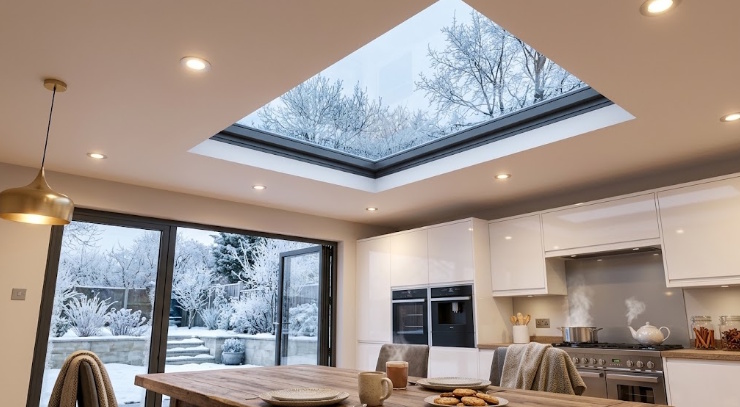
Contemporary thermally broken roof lantern preventing winter condensation

Summary: How Can You Stop Winter Condensation on a Thermally Broken Roof Lantern?

Condensation forms when warm indoor air collides with freezing exterior glazing during the colder months. Upgrading to a premium thermally broken roof lantern provides the ultimate structural defence against this seasonal damp. By combining cutting-edge structural insulation with strategic ventilation, homeowners can permanently eliminate moisture pooling in modern extensions.

  • Advanced polyamide thermal breaks entirely eradicate conductive cold bridging.
  • Argon-filled double glazing with Low-E glass vastly improves thermal efficiency.
  • Proactive ventilation and routine structural maintenance prevent long-term humidity buildup.

Why Does Condensation Occur on Glass Roofs During Winter?

Winter condensation forces airborne water vapour to transition into liquid droplets when rapid external cooling occurs. Warm indoor air continuously hits cold glass surfaces, triggering instant moisture pooling when structural temperatures drop. This environmental reaction requires proactive architectural thermal management to thoroughly protect your living spaces from seasonal dampness.

As the outdoor UK climate cools, the stark contrast between inside warmth and outside frost sharpens significantly. This dramatic atmospheric difference turns standard, non-insulated glazing into a massive magnet for airborne water particles. Moisture naturally migrates towards the coldest surface in any given room, which is typically an outdated glass roof.

Condensation remains the most common root cause of household damp, affecting approximately 1 in 5 UK households according to the English Housing Survey. Addressing this structural vulnerability early prevents expensive aesthetic damage and stops insidious structural decay in modern domestic extensions.

What is the Connection Between Indoor Humidity and Cold Glass?

Indoor humidity deposits microscopic water particles onto non-insulated structural surfaces overnight. Everyday household activities like boiling kettles, cooking, and hot showering elevate interior moisture levels rapidly. Understanding this continuous moisture generation helps structural installers implement architectural solutions that actively repel standing water in modern domestic extensions.

The average UK household produces around 14 litres of water vapour every single day, according to the City of London. Without adequate mechanical extraction or ventilation, this incredibly heavy moisture load inevitably seeks a place to settle and condense.

Standard glass roofs often become this cold focal point during the darker winter months. Upgrading to a premium architectural system ensures this excess humidity cannot settle, pool, or cause long-term cosmetic damage.

How Do Temperature Fluctuations Trigger Roof Lantern Condensation?

Temperature fluctuations force ambient internal air to contract and release stored moisture onto unprotected glazing panels. Rapid evening cooling plummets the structural surface temperature of basic frames in mere minutes. These sudden environmental climate shifts expose the severe condensation limitations of outdated, poorly insulated aluminium roofing systems.

When the household heating switches off at night, the internal air temperature drops precisely as the external frost takes hold. This aggressive double-cooling effect is the exact moment when the most severe window condensation occurs on inferior installations.

Maintaining a truly stable internal climate requires architectural materials explicitly designed to resist rapid thermal transfer. Superior modern roof systems proactively absorb and nullify these highly volatile external temperature swings.

How Does a Thermally Broken Roof Lantern Stop Cold Bridging?

A thermally broken roof lantern completely blocks external freezing temperatures from travelling through the internal aluminium framework. A dense polyamide thermal barrier physically separates the inner and outer structural profiles. However, many standard lantern designs still fail in winter because they overlook one critical structural junction.

Cold bridging traditionally acts as a fast-track conductive highway for freezing outdoor temperatures to invade your cosy living space. By physically severing this direct conductive pathway, Stratus Flat Skylight technology halts interior moisture formation exactly at the source, solving the structural vulnerability.

Our bespoke architectural aluminium systems also feature an impressive 30% lower profile than standard bulky alternatives. This incredibly minimalist, unobtrusive design delivers both stunning contemporary aesthetics and incredibly robust thermal protection.

What Exactly is Thermal Break Technology in Aluminium Roof Lanterns?

Thermal break technology inserts a highly insulating non-metallic core directly between highly conductive exterior and interior aluminium sections. This precise engineering manufacturing method drastically interrupts the natural heat conductivity of robust metal framing. Isolating the external elements through this barrier represents the absolute most effective defence against relentless winter dampness.

Aluminium is globally prized for its phenomenal structural strength, but the metal is naturally highly conductive to cold. By inserting a high-grade polyamide blocking core, we harness the unmatched strength of aluminium without suffering the cold thermal transfer.

This ensures your new home extension remains dependably warm, perfectly dry, and highly energy-efficient throughout the entire calendar year. It completely redefines the performance and durability capabilities of modern lantern skylights.
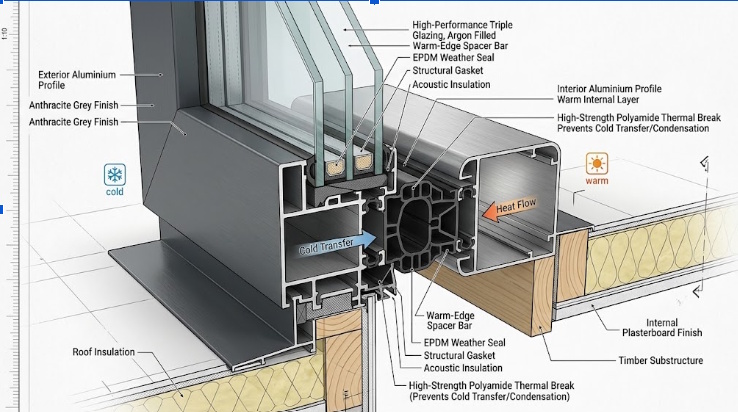
Detailed cross-section of thermal break technology in aluminium skylights

How Do Stratus Lantern Skylights Maintain Superior U-Values?

Stratus architectural skylights achieve exceptional thermal U-Values as low as 1.0 through advanced composite structural engineering. The seamless combination of internal thermal breaks and ultra-efficient double glazing traps ambient internal heat securely. This measurable thermal retention drastically reduces household heating bills while maintaining a perfectly balanced ambient room temperature.

A lower numerical U-Value translates directly to vastly superior insulation and a much warmer, more comfortable home environment. Our proprietary systems are precision-engineered to vastly exceed standard UK building regulations.

Integrating this advanced structural technology guarantees that the glass and aluminium framework operate in total thermal unison. The resulting architectural barrier becomes virtually impenetrable to severe winter frosts and freezing rain.

Field Data Insight:

  • Tested Variable: Thermal Efficiency & Solar Control
  • Controlled Environment: Assessed across the Ambi-glass range for extension applications
  • Key Variance Factor: U-Values as low as 1.0; Solar Heat Reflection up to 82%
  • Internal Reference Code: 2026-T-EFF

What Role Does Argon-Filled Double Glazing Play in Preventing Condensation?

Argon-filled double glazing passively insulates interior living spaces by trapping a dense, inert gas between the structural glass panes. This invisible heavy argon layer slows natural thermal transfer significantly better than standard dehydrated air cavities. Utilising heavier gas pockets fundamentally increases the internal glass surface temperature to prevent immediate dew point saturation.

By keeping the innermost pane much closer to your ambient room temperature, the risk of surface moisture drops dramatically. It serves as a highly effective, continuous passive defence mechanism against the harshest exterior cold.

Installing flat skylights equipped with this invisible technology offers clear, entirely unobstructed sky views without the tedious morning wipe-down. The beautiful aesthetic purity of your home extension remains completely uncompromised by unsightly moisture streaks.

Why is Low-E Glass Critical for Winter Condensation Control?

Low-E glass reflects ambient internal radiant heat directly back into the room using a microscopic, transparent metallic coating. This advanced architectural film stops expensive warmth from escaping through the overhead roof structure during winter. Retaining this ambient heat is absolutely essential for keeping the inner pane warm and totally condensation-free.

Around 25–30% of a home’s total heat loss occurs through inefficient standard windows and doors, according to the Energy Saving Trust. Upgrading specifically to Low-E glass serves as a critical structural step in reversing this incredibly expensive domestic energy drain.

This highly specialised glass coating works silently in the background to maintain perfect climate equilibrium in your living areas. It acts as an invisible, highly effective thermal shield during the very harshest seasonal weather.

How Does Acoustic Insulation Relate to Thermal Efficiency?

High-performance acoustic glazing physically dampens harsh exterior noise while simultaneously sealing out freezing winter temperatures. The incredibly dense structural glass composition required to block sound waves inherently provides tremendous passive thermal mass. Upgrading your bespoke roof glazing delivers a tranquil, perfectly insulated home sanctuary free from both invasive noise and structural damp.

A thicker, substantially denser glazing unit interrupts travelling sound vibrations just as effectively as it blocks freezing cold air. This brilliant dual-action performance remains a highly sought-after hallmark of premium structural glass manufacturing.

Homeowners can finally enjoy the serene quiet of a brilliantly insulated room, completely safe from driving rain and howling winter winds.

Field Data Insight:

  • Tested Variable: Acoustic and Heat Insulation
  • Controlled Environment: High-performance Low-E double glazing setup
  • Key Variance Factor: Reduces heat loss and noise by up to 35dB
  • Internal Reference Code: 2026-A-ISO

How Can Installers and Homeowners Ensure Proper Ventilation for Skylights?

Proper ventilation systems rapidly extract stagnant, moisture-laden air before it settles on your structural glazing elements. Purpose-built window trickle vents or automated room climate controls circulate vital fresh oxygen continuously. Implementing a proactive daily airflow strategy guarantees that even the most thermally efficient architectural installations remain beautifully crystal clear.

While our made to measure Stratus Flat Skylight units provide truly incredible structural insulation, managing the internal atmosphere remains equally crucial. A well-ventilated, intelligently designed room breathes naturally, allowing dangerous excess humidity to escape safely outside.

Professional installation teams should always expertly advise homeowners on the absolute best mechanical extraction methods for their specific extension design. Balancing high-grade thermal insulation with robust airflow creates the perfect, moisture-free modern living environment.
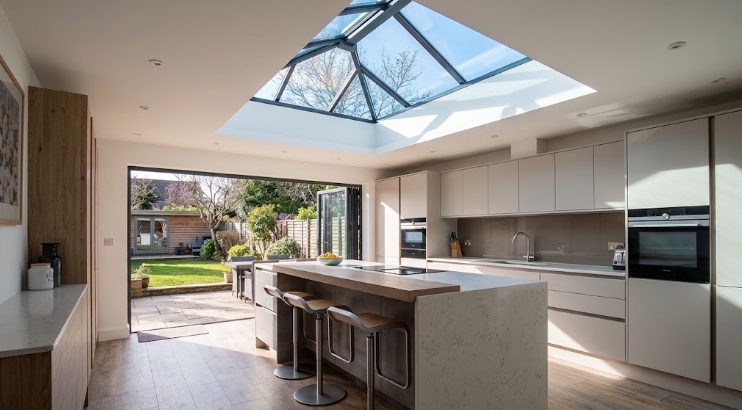
Moisture-free kitchen extension featuring a low-profile roof lantern

Why is Airflow Crucial Around Your Thermally Efficient Skylights?

Strategic airflow dynamically prevents localised heavy humidity pockets from forming directly beneath the main roof structure. Gentle, continuous ambient air movement disperses dense water vapour before it reaches the critical saturation dew point. Maintaining this vital atmospheric flow remains the final, essential architectural step in a comprehensive winter condensation control strategy.

Warm interior air naturally rises, constantly carrying generated household moisture straight upwards towards the highest ceiling line. Without dedicated structural airflow, this rising humid air inevitably becomes trapped and stagnates against the glazing.

Integrating subtle, highly effective ventilation ensures this rising damp air is rapidly diluted or completely expelled. It practically guarantees the stunning 30% lower profile of your bespoke roof lantern looks absolutely pristine every single day.

What Preventative Maintenance Stops Moisture Build-Up Long-Term?

Routine preventative maintenance identifies failing perimeter sealants and clears vital ventilation pathways to sustain absolute peak structural performance. Checking internal frame weep holes and wiping down aluminium tracks removes debris that could harbour microscopic moisture. Regular, simple household upkeep guarantees your premium architectural glazing system defends against severe winter weather indefinitely.

Our incredibly robust commercial-grade units are expertly engineered with a unique system of five high-quality seals to eliminate common flat roof issues completely. Furthermore, our rapid 2-piece installation process ensures flawless fitting that repels the elements from day one.

Trade professionals looking to consistently provide their residential clients with these incredibly durable, low-maintenance systems should open a trade account today. We supply made to measure units finished in stunning, weather-resistant RAL colours.

Field Data Insight:

  • Tested Variable: Weather Resistance
  • Controlled Environment: Tested against the elements using the unique 5-seal structural frame
  • Key Variance Factor: Assessed and compliant to BS 6375
  • Internal Reference Code: 2026-W-RES

Expert Analysis & Industry Commentary: “By engineering our frames with an industry-leading five-seal system and thermal breaks, we have physically engineered cold bridging out of the equation.” – Dean Ward, Managing Director at Stratus Flat Skylight

Enhance your home with a sleek, modern flat skylight. Call our experts on 0800 046 3924 or contact our team to discuss your project and get a quote.

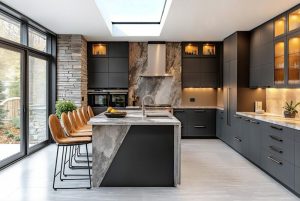
Posted on

Kitchen Island Zoning with Aluminium Roof Lanterns

Summary: Elevating Open-Plan Design Through Strategic Overhead Glazing

  • Architectural Zoning: Masterfully defines specific functional areas, such as the kitchen island, within expansive open-plan layouts without intrusive physical partitions.
  • Thermal Excellence: Features an advanced polyamide nylon glass composite thermal break, guaranteeing a system that is up to 65% more thermally efficient than standard aluminium alternatives.
  • Aesthetic Superiority: Achieves a sleek, minimalist finish with ultra-slim 66mm sightlines and premium, durable powder-coated aluminium frames for maximum light transmission.

Redefining the Heart of the Home with Overhead Light

The modern open-plan kitchen is far more than a mere culinary workspace; it is the architectural heart of the home. When designing these expansive, multi-functional areas, establishing clear, purposeful zones without relying on solid walls is paramount to maintaining a fluid and contemporary aesthetic. This is where the strategic installation of aluminium roof lanterns truly excels.

By channelling a dramatic influx of natural daylight directly above key focal points, most notably the kitchen island, homeowners and designers can fundamentally enhance both the form and function of their living space. Whether you are an installer planning a sophisticated extension or a homeowner embarking on a major renovation, you can browse aluminium roof lanterns to discover how precision-engineered overhead glazing transforms ordinary structural extensions into extraordinary architectural statements.

Our guide delves into the structural, aesthetic, and technical mastery required to optimise kitchen island zoning, ensuring your chosen rooflight delivers not just visual impact, but unparalleled year-round energy efficiency.

The Principles of Zoning Architecture Above the Kitchen Island

Open-plan living spaces run the risk of feeling cavernous or unstructured if functional areas are not clearly defined. Zoning architecture solves this by using spatial cues, flooring transitions, and, most effectively, lighting, to anchor specific activities.

Installing a premium skylight directly above a kitchen island creates an invisible vertical column of light. This natural illumination acts as a subtle yet definitive boundary, subconsciously signalling the transition from a relaxed dining or living area into the active culinary zone.

Proportion and Positioning for Maximum Impact

To achieve architectural harmony, the dimensions of the overhead glazing must carefully echo the footprint of the island below. As a general rule of thumb within professional design circles, the lantern should be proportionately smaller than the worktop beneath it. Leaving a solid ceiling border (typically between 300mm to 600mm) around the perimeter of the lantern aperture not only frames the sky beautifully but also provides the necessary structural real estate to install task lighting, such as elegant pendant lights or recessed spotlights, directly over the preparation area.

By marrying natural zenithal light during the day with targeted task lighting at night, the kitchen island remains the undisputed centrepiece of the room, regardless of the hour.

The Science of Superior Energy Efficiency: Eradicating Cold Bridging

A historical critique of highly glazed extensions has been their poor thermal performance, often resulting in spaces that are too stifling in July and freezing in December. However, modern engineering has completely eradicated this issue for those who invest in premium systems. The defining hallmark of high-quality aluminium lantern roof lights is their hidden thermal technology.

Aluminium is incredibly strong and lightweight, but it is also a highly conductive metal. In older or inferior rooflights, the external aluminium frame touching the cold winter air would transfer that freezing temperature directly to the inside of the home, a process known as ‘cold bridging’. This results in condensation, draughts, and exorbitant heating bills.

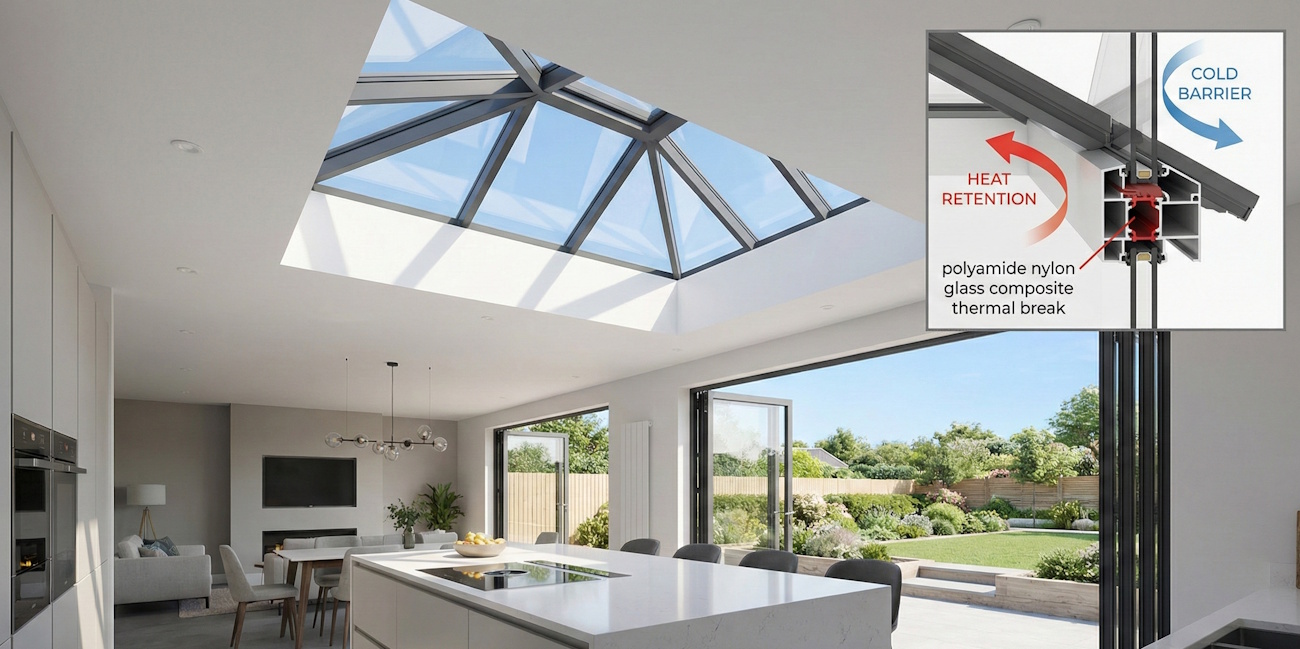
To counter this, superior systems utilise an innovative polyamide nylon glass composite thermal break. This component physically separates the internal and external aluminium profiles. Because polyamide is a highly effective insulator, it completely severs the thermal bridge.

The 65% Efficiency Advantage

The integration of this thermally broken ridge-and-eaves structure is transformative. By locking the cold out and trapping the ambient heat in, this cutting-edge construction ensures that the roof system is up to 65% more thermally efficient than standard, non-broken aluminium equivalents. This results in exceptionally low U-values, ensuring that the property remains fully compliant with stringent modern building regulations whilst significantly reducing the homeowner’s carbon footprint and energy expenditure.

Conquering the Climate: The Necessity of Solar Control Glass

While the thermally broken frame prevents winter heat loss, managing summer heat gain is equally critical in a South-facing or highly glazed extension. The solution lies in specifying advanced glazing options that actively manage the room’s climate.

Solar Control Glass is an absolute necessity for any large-scale rooflight installation. This high-performance glass features microscopic, transparent coatings applied during the manufacturing process. These coatings act as an intelligent filter:

  • Reflecting Solar Heat: During the height of summer, the glass reflects a significant portion of the sun’s infrared radiation outward, helping prevent the ‘greenhouse effect’ and keeping the kitchen island comfortably cool.
  • UV Protection: It drastically reduces the transmission of ultraviolet rays, protecting expensive kitchen cabinetry, soft furnishings, and timber flooring from fading over time.
  • Retaining Radiant Heat: In the winter months, the same coating reflects radiant heat generated from the central heating back into the room, working in tandem with the polyamide thermal break to maintain a stable, cosy temperature.

By combining a thermally broken frame with argon-filled, solar-controlled double glazing, the extension remains a comfortable, usable space 365 days a year.

Architectural Aesthetics: Maximising Light with Slim Sightlines

In contemporary residential architecture, the ultimate goal of any glazing system is ‘less frame, more sky’. The visual bulk of the supporting rafters dictates how much natural light can flood into the space below.

Engineered for optimal strength-to-weight ratios, premium aluminium allows for incredibly slim sightlines. With the main supporting rafters measuring an ultra-discreet 66mm, the structural framework becomes virtually invisible, offering uninterrupted, panoramic views of the sky. This minimalist approach eliminates the chunky, obtrusive profiles associated with uPVC alternatives, delivering a clean, architectural finish that perfectly complements modern kitchen cabinetry and island designs.

Furthermore, the longevity of the aesthetic is guaranteed through the use of architectural-grade, powder-coated aluminium. This meticulous finishing process creates a robust, weather-resistant barrier that will not warp, rust, or fade under the harshest of British weather conditions, ensuring the installation remains pristine for decades. When you choose Stratus Lantern Roofs, you are investing in a system that balances this extreme structural integrity with refined, contemporary elegance.

Exemplary Design Configurations for Modern Extensions

Before finalising your architectural plans, it is crucial to select a structural design that complements the specific interior style of your property. The correct configuration not only dictates the external kerb appeal but also influences the internal geometry of the ceiling space above your kitchen island.

Below are two distinct, highly sought-after configurations that demonstrate the versatility and aesthetic power of thermally broken overhead glazing.

The Minimalist Approach: Crisp and Contemporary

For properties embracing a highly modern, minimalist aesthetic, reducing the number of visible glazing bars is key. A contemporary configuration strips back the framework to its absolute essential structural elements, maximising the size of the glass panes to create a sleek, unobtrusive ceiling canopy.

A perfect representation of this style is the Stratus Contemporary White Aluminium Roof Lantern. Designed with a brilliantly crisp white powder-coated finish, this model blends seamlessly into a standard white plaster ceiling, drawing the eye directly up to the sky rather than the frame itself. The contemporary design relies on a minimalist ridge, eschewing the traditional ‘spider web’ of rafters. This ensures that the maximum volume of natural light is channelled down onto the work surfaces below, making it an exceptional choice for illuminating long, sleek, marble or quartz-topped kitchen islands.

The Architectural Anchor: The 2-Way Design

For larger spaces, or for designs that lean towards an industrial or classic architectural aesthetic, a more structured framework can add incredible visual depth to a room. The 2-way design introduces central supporting rafters, creating a distinct, symmetrical geometry that looks stunning from both the interior kitchen and the exterior garden.

An exemplary model for this aesthetic is the Stratus Grey Aluminium Roof Lantern: 2 Way Design. Finished in a highly desirable Anthracite Grey, this model provides a striking, contemporary contrast against white ceilings. The grey framework acts as an architectural anchor, tying together other modern elements within the space, such as grey bi-fold doors or dark-toned kitchen island cabinetry. The robust 2-way structural design provides immense stability over larger spans, whilst still maintaining the signature 66mm slim sightlines, ensuring that structural integrity never compromises natural daylight ingress.

Elevating the Build: A Note for Installers

From an installation perspective, specifying high-calibre, precision-engineered aluminium rooflights ensures a smoother, faster, and more reliable build phase. The rigid nature of the powder-coated aluminium, combined with meticulously designed connecting nodes and the structural integrity of the polyamide thermal break, means the system goes together cleanly on-site. This significantly reduces the risk of call-backs regarding leaks or structural sagging, securing both the installer’s reputation and the homeowner’s peace of mind.

Enhance Your Kitchen with Zoning Architecture

Successfully zoning a kitchen island within a modern open-plan extension relies heavily on the intelligent manipulation of natural light. By integrating a premium overhead glazing system, you instantly create a highly functional, beautifully illuminated focal point. Crucially, by insisting on advanced engineering, specifically the polyamide nylon glass composite thermal break and high-performance solar control glass, you guarantee that this dramatic architectural feature enhances the energy efficiency and year-round comfort of your home, rather than compromising it.

Enhance your home with superior thermal performance. Call our team on 0800 046 3924 or contact us here to discuss your project.

Posted on

2026 Home Renovation Trends: Why Lantern Roofs Are Top of the List

Home renovation trends lantern roofs

Summary: The Architectural Shift Towards High-Performance Glazing. As we approach 2026, the home renovation sector is pivoting away from standard glazing solutions toward architectural systems that prioritise energy retention and minimalist design. This article explores how advanced thermal break technology and slim aluminium profiles have established the roof lantern as the ultimate upgrade for flat roof extensions.

  • Thermal Superiority: Utilising a polyamide nylon glass composite thermal break for 65% greater efficiency than standard aluminium.
  • Architectural Aesthetics: Industry-leading 66mm slim sightlines for maximised natural light and a discreet profile.
  • Climate Control: Advanced Solar Control Glass options to regulate internal temperatures year-round.

Redefining the Modern Extension: Light, Space, and Efficiency

The UK’s architectural landscape is shifting. As we look toward 2026, the focus of home renovation is no longer simply about adding square footage; it is about optimising the performance and visual impact of that space. Central to this movement is the resurgence and evolution of roof lanterns. Once seen merely as a way to illuminate dark rooms, they have evolved into high-performance architectural features that define the character of a kitchen extension, orangery, or living space.

However, not all glazing systems are created equal. The modern homeowner is increasingly educated on the importance of U-values and thermal dynamics. Consequently, demand for Stratus Lantern Roofs has surged, driven by the need for a system that balances a contemporary aesthetic with the rigours of the British climate.

Why is Thermal Performance the Defining Feature of 2026?

For years, the primary hesitation regarding large-scale glazing was heat loss. In the past, aluminium frames—while strong—acted as thermal bridges, conducting cold air from the outside into the home and allowing heat to escape. This phenomenon, known as ‘cold bridging’, undermines energy efficiency.

The Science Behind the Thermal Break

To rank as a top renovation trend amid rising energy costs, a roofing system must be thermally efficient. This is where Stratus distinguishes itself from generic alternatives.

The Stratus system incorporates a pioneering polyamide-nylon-glass composite thermal break. Unlike standard aluminium assemblies that may provide only a basic thermal barrier, this advanced composite technology creates a robust insulating layer between the internal and external aluminium profiles.

  • Stops Cold Bridging: The nylon-glass composite is non-conductive, effectively blocking heat transfer.
  • 550 Times More Insulating: This material is significantly more thermally efficient than aluminium alone.
  • 65% More Efficient: Compared with conventional aluminium lantern systems, the Stratus thermal break technology is up to 65% more thermally efficient.

For the homeowner, this translates to tangible benefits: lower heating bills and a room that maintains a consistent, comfortable ambient temperature regardless of the season.

Minimalist Architecture: The Demand for Slim Sightlines

Design trends for 2026 are heavily leaning towards minimalism. The “industrial chic” and “Scandi-minimalist” aesthetics continue to dominate interior design, emphasising clean lines and unobtrusive fixtures. In the context of roof lanterns UK market trends, this means the frame should be barely noticeable, allowing the sky to be the primary feature.

The 66mm Advantage

Many competitor systems, particularly those utilising PVC or older aluminium designs, suffer from bulky ridges and wide glazing bars that obstruct the view. A key requirement for a high-end finish is reducing these visual obstructions.

Stratus has engineered a solution with incredibly slim sightlines of just 66mm. By utilising the structural integrity of high-grade aluminium, the rafters can be kept slender without compromising on load-bearing strength. This results in:

  • Increased Glass Area: More natural light enters the room.
  • Modern Aesthetics: A sleek, contemporary appearance that suits both period properties and modern builds.
  • Discreet Finish: From the exterior, the low-profile design ensures the lantern sits elegantly atop the flat roof rather than appearing as an add-on.

Solving the Conservatory Climate Crisis: Solar Control

A common complaint regarding older conservatories and extensions is the “greenhouse effect”—rooms that are freezing in winter and unbearably hot in the summer. As we move into 2026, renovations are focused on rectifying these historical design flaws through intelligent glass specification.

Regulating Temperature with Glass Technology

Installing a premium lantern roof is not just about the frame; it is about the glazing unit it supports. To ensure the space is usable 365 days a year, specifying Solar Control Glass is essential.

Standard clear glass allows significant solar radiation to pass through, heating the air inside. High-performance solar control units reflect a portion of this heat back to the sky while allowing visible light to pass through.

  • Summer Comfort: significantly reduces solar gain, preventing the room from overheating during British heatwaves.
  • Winter Warmth: Low-E (low emissivity) coatings reflect internal heat back into the room.
  • UV Protection: Helps to reduce the bleaching effect of the sun on furniture and flooring.

By combining the thermally broken frame with high-performance glass, you create a complete thermal envelope that adheres to strict building regulations and enhances living comfort.

The Evolution of the Flat Roof Extension

The flat roof extension is undergoing a renaissance. No longer viewed as the “cheap” option, modern flat roofs are sophisticated engineering projects often finished with single-ply membranes or GRP fibreglass. The crowning glory of these structures is increasingly the flat roof lantern.

Contemporary Design for Modern Living

While traditional pitched lanterns offer a sense of grandeur, the current trend also embraces the sleekness of flat skylights, such as the Premier Edge. However, for those desiring height and volume, the lantern remains the superior choice.

The geometry of a lantern roof adds vertical volume to a room, raising the ceiling height and creating a focal point above a kitchen island or dining table. Whether you opt for a 2-way, 3-way, or contemporary design, the structural elegance of the Stratus system supports the architectural vision of a modern flat roof extension. The discreet ridge and hip capping ensure that the external appearance is just as refined as the internal view.

Invest in Longevity: The Strength of Powder-Coated Aluminium

For installers and homeowners alike, durability is non-negotiable. 2026 trends are moving away from disposable culture towards “buy well, buy once.”

Why Aluminium Outperforms PVC

While PVC has its place in the market, it lacks the structural rigidity and thermal stability of aluminium. PVC can expand and contract significantly with temperature fluctuations, which can eventually lead to seal failure and leaks.

Stratus lanterns are constructed from hard-wearing, powder-coated aluminium.

  • Resilience: The powder coating process creates a finish that is highly resistant to corrosion, fading, and chalking.
  • Structural Integrity: Aluminium allows for larger spans with thinner frames, impossible to achieve with plastic.
  • Ease of Installation: For the installer, the precision engineering of the Stratus kit means components fit together seamlessly, reducing time on site and ensuring a watertight finish every time.

Roof Lights and Lanterns: A Smart Investment for Property Value

When browsing for roof lights and lanterns, it is vital to view the purchase as an investment in the property’s value. Estate agents consistently report that natural light is a top priority for buyers. An extension that feels dark or cold is a liability; one that is flooded with light and thermally efficient is a major asset.

By upgrading a standard flat roof with a Stratus lantern, you are effectively:

  1. Improving Energy Ratings: Contributing to a better EPC score for the home.
  2. Enhancing Lifestyle: Creating a biophilic environment that connects the indoors with the outdoors.
  3. Future-Proofing: Installing a system that meets and exceeds current thermal regulations.

Whether you are an installer looking to offer your clients the best product on the market, or a homeowner seeking to transform your living space, the technical specifications of the Stratus system offer a clear advantage.

Conclusion: The Clear Choice for 2026

As we look ahead to the renovation trends of 2026, it is clear that the market is demanding a synthesis of form and function. Homeowners are no longer willing to compromise on thermal efficiency for the sake of design, nor are they willing to accept bulky, unsightly frames to achieve warmth.

The Stratus lantern roof stands at the intersection of these demands. With its market-leading polyamide nylon glass composite thermal break, it solves the issue of heat loss. With its ultra-slim 66mm sightlines, it satisfies the desire for minimalist aesthetics. It is a product engineered for the future of British housing.

Enhance your home with superior thermal performance. Call our team on 0800 046 3924 or contact us here to discuss your project.

Posted on

Winter Roof Lantern Maintenance Tips

contemporary-stratus-lantern-roofs

Protect Your Roof Lantern This Winter

Winter brings harsher weather, and your roof lantern is one part of your home that shouldn’t be overlooked. With frost, heavy rain, and even snow on the horizon, a little care can go a long way in keeping your roof lantern in excellent condition. Regular maintenance helps it withstand the elements and keeps it looking as striking as the day it was installed.

If you have a glass roof lantern or an aluminium frame, taking the time to clean and inspect it ensures it remains both beautiful and energy-efficient. A clean, well-maintained roof lantern will flood your home with natural light all season long while also helping to reduce heat loss—something every homeowner can appreciate during the colder months.

At Stratus, you can buy high-performance aluminium roof lanterns to handle modern living demands. Combining sleek, contemporary designs with advanced thermal technology, our products are made to perform year-round. In our guide, we’ll share practical tips to help you protect your roof lantern this winter and keep it at its best for years to come.

Why Winter Roof Lantern Maintenance Matters

Winter can be tough on your roof lantern, with frost, condensation, and debris buildup among the most common issues homeowners face. Frost can weaken seals and cause cracks over time, while condensation can lead to mould or damage internal frames. Add falling leaves and winter debris clogging drainage channels, and it’s clear why regular upkeep is essential during the colder months.

Proactive maintenance helps you avoid costly repairs and keeps your lantern roof window looking its best. A well-cared-for roof lantern enhances your home’s aesthetics and ensures it continues to flood your space with natural light, even on the darkest winter days.

For those with aluminium roof lanterns, maintenance is key to maximising their thermal efficiency. Modern designs, like the Stratus Thermal Lantern Roof, rely on cutting-edge technology to keep the cold out and the warmth in. However, even the best systems perform better with regular care. You can enjoy a cosy, efficient home while protecting your investment for years by addressing minor issues before they escalate.

DIY Maintenance Tips for Homeowners

Can homeowners perform roof lantern maintenance themselves?

Yes, many aspects of roof lantern maintenance can be handled by homeowners with the right approach and tools. Regular inspection and cleaning can keep your lantern roof window in great condition, prevent long-term damage, and save money on professional services. However, some issues may require expert attention, which we’ll explore in the next section.

Here are some practical tips for maintaining your roof lantern this winter:

  1. Inspection
  • Check for cracks or damaged seals: Examine the glass and aluminium frames for any visible signs of wear, such as cracks, gaps, or discolouration.
  • Inspect drainage points: Ensure the areas around the lantern are free from debris and blockages to prevent water pooling, which can lead to leaks.
  1. Cleaning
  • Use the right materials: Clean glass panels with mild, non-abrasive cleaners to avoid scratches or damage. For aluminium frames, a soft cloth and gentle soap solution are ideal.
  • Remove debris carefully: Use soft brushes or a cloth to clear away dirt, leaves, or grime that may accumulate around the edges or joints.
  1. Safety First
  • Secure your ladder: Always stabilise the ladder on a flat surface and consider using a helper for extra safety.
  • Use proper safety gear: Non-slip shoes, gloves, and even a safety harness can reduce the risk of accidents.
  • Pick the right day: Avoid working on icy or windy days when conditions are dangerous.

You can protect your roof lantern’s functionality and aesthetics by staying proactive with these maintenance tasks. For more complex issues or repairs, it’s always best to seek professional help, which we’ll cover next.

When to Call a Professional

While many aspects of roof lantern maintenance can be done at home, certain situations call for the expertise of a professional. Here are some key scenarios where professional help is essential:

  • Persistent condensation or draughts: If you notice recurring condensation inside the glass or feel draughts despite thorough maintenance, it’s a sign of deeper seals or insulation issues requiring expert attention.
  • Structural damage or warped frames: Cracks, bending, or misaligned frames can compromise the integrity of your roof lantern. A professional can assess and repair these problems to prevent further damage.
  • Thermal efficiency concerns: Even high-performance lanterns may lose some of their thermal efficiency over time. A professional inspection can identify areas for improvement and restore your lantern’s energy-saving properties.

Regular servicing by a professional is also recommended as part of long-term care. These routine check-ups can catch small issues before they escalate, ensuring your roof lantern remains in top condition year after year.

By knowing when to seek help, you can protect your investment and enjoy the full benefits of your roof lantern throughout its lifespan.

Preventative Measures for Winter

Taking preventative steps before winter sets in can save you time, money, and hassle down the line. By addressing potential issues early, you can keep your roof lantern performing at its best, even in the harshest conditions. Here are some key measures to consider:

  • Install draught-proofing: Adding extra weather seals around your roof lantern helps prevent cold air from seeping in and reduces the strain on your home’s heating system.
  • Apply protective coatings: Use specialised treatments to protect the aluminium frame from wear and tear caused by moisture, frost, and other environmental factors.
  • Schedule a pre-winter inspection: A professional inspection can identify minor problems, such as loose seals or drainage issues before they become major repairs.
  • Clear gutters and downspouts: Ensure the drainage system around your lantern roof window is free of leaves, dirt, and debris to prevent water pooling near the structure.

With these proactive steps, you’ll extend the life of your roof lantern and maintain its aesthetic appeal and energy efficiency throughout the winter months.

Common Maintenance Mistakes to Avoid

Maintaining your roof lantern is crucial, but it’s just as important to approach it correctly. Avoiding common mistakes can help protect your roof lantern and prevent unnecessary damage. Here are some pitfalls to watch out for:

  • Using harsh chemicals or abrasive tools: Strong cleaning agents or rough brushes can scratch glass panels or damage the aluminium finish. Always stick to mild cleaners and soft tools designed for delicate surfaces.
  • Ignoring small cracks or leaks: Minor issues may seem insignificant but can quickly escalate into major problems, leading to costly repairs or replacement. Address any cracks, gaps, or leaks as soon as you notice them.
  • Attempting repairs without the right tools or expertise: While DIY fixes can be tempting, improper repairs can cause further damage. For anything beyond basic maintenance, it’s better to call a professional.
  • Neglecting the internal frame and fixings: Maintenance isn’t just about the exterior. Regularly check and clean the internal frame and fixings to ensure your roof lantern’s structural integrity and smooth operation.

By avoiding these common mistakes, you’ll ensure that your roof lantern remains in excellent condition for years to come.

Stratus Thermal Lantern Roofs: The Ultimate Winter Upgrade

Does your current roof lantern need help keeping the cold out during winter, or feel outdated in design? Stratus Thermal Lantern Roofs offer the perfect solution for homeowners seeking improved performance, contemporary style, and energy efficiency this season.

Four Reasons to Choose Stratus Thermal Lantern Roofs:

  1. Exceptional thermal efficiency: Stay warm this winter and save on energy bills with a thermally efficient design that minimises heat loss.
  2. Customisable styles: Available in contemporary, 2-way, and 3-way designs to suit any home or extension.
  3. Sleek, modern aesthetics: Enhance your home’s interior and exterior with glass roof lanterns in bespoke RAL colour combinations tailored to your taste.
  4. Built to last: Hard-wearing aluminium roof lanterns designed for durability and timeless elegance.

Discover how our thermally broken lantern roof systems redefine modern living by combining cutting-edge technology with outstanding architectural refinement.

Explore Your Options Today

Download the Thermal Lantern Roof Brochure to take a closer look at our premium designs and features. Our guide is packed with inspiration and practical details to help you plan your upgrade.

Download the brochure today and transform your home with a Stratus Lantern Roof.

Ready to make your winter warmer and your home brighter? Explore bespoke Stratus Thermal Lantern Roofs and experience the difference this season.

Posted on

Why Glow Heated Glass Is a Game-Changer for Bifold Doors

glow-heated-glass

The Future of Home Heating

At Status Lantern Roofs, we are proud to introduce glow-heated glass as a cutting-edge solution for aluminium bifold doors, offering an innovative way to heat homes and spaces. With growing demand for energy-efficient and eco-friendly heating solutions, especially in light of the UK Government’s 2025 Future Homes Standard, glow-heated glass is quickly becoming an essential feature in modern homes.

Designed to be integrated seamlessly into your bifold door, this technology provides radiant heat and offers substantial cost savings and reduced energy consumption. Unsurprisingly, these are quickly becoming the bifolding doors UK homeowners desire most. For builders and developers, glow heated glass represents a smart, future-proof investment, offering a stylish, practical, and sustainable heating solution that will meet the evolving demands of environmentally conscious customers.

What is Glow Heated Glass?

Glow-heated glass is a cutting-edge technology designed to revolutionise how homes are heated, particularly when paired with bifold doors. The glass is coated with a special conductive layer that generates radiant heat when an electrical current passes through it. This innovative approach offers an effective way to heat spaces, providing warmth directly to people and objects rather than wasting energy heating the air like conventional systems.

When incorporated into aluminium bifold doors, glow-heated glass provides both functionality and elegance. It connects to the standard home mains supply, making installation straightforward and hassle-free. A qualified electrician can easily integrate this system, ensuring the setup is both safe and efficient, allowing homeowners to benefit from its immediate warmth and long-term energy savings.

Energy Efficiency and Cost Savings

One of the most compelling benefits of glow-heated glass is its exceptional energy efficiency. Unlike traditional heating systems, which often lead to high utility bills, glow-heated glass operates at a significantly lower cost—around 9p per hour per bifold door. For example, a standard three-door configuration running for five hours daily would cost just £1.35, based on an electricity rate of 25p per kWh.

Compared to conventional heating methods like radiators or underfloor heating, glow-heated glass provides an efficient alternative, reducing energy consumption and long-term costs. Traditional radiators heat spaces using convection, which can be inefficient as warm air rises and is often unevenly distributed. In contrast, Glow’s radiant heat warms people and objects directly, cutting down on wasted energy.

The system also has thermostatic controls, ensuring temperatures remain consistent and comfortable throughout the day. Automatically adjusting based on the room’s needs reduces unnecessary energy consumption, further contributing to cost savings and environmental benefits.

Why Radiant Heat is Better Than Conventional Heating

The key difference between radiant and convection heat is how they distribute warmth. Radiant heat works by directly warming people and objects in a space, much like the sun’s rays on a warm day. In contrast, convection heat warms the air, circling the room. While convection heating can result in uneven temperatures, especially near windows or doors, radiant heat offers a more consistent and comfortable warmth.

Radiant heat is far more efficient because it doesn’t waste energy heating the air, which can escape through gaps or rise to the ceiling. Instead, it targets the things that matter—people, furniture, and the room’s surfaces. This results in a space that feels warmer without the need to overheat the entire room. Just as sunshine feels warm on your skin even on a cool day, glow-heated glass works similarly, making rooms feel cosy without unnecessary energy consumption.

Key Applications: Where Can Glow Heated Glass Be Used?

Glow-heated glass is a versatile solution that can be used in a range of settings. It provides both practical and aesthetic benefits. Depending on the space and requirements, it can serve as either a primary heating source or a supplementary one. Key applications include:

  • Extensions: Ideal for new builds or renovated areas where traditional radiators might not be suitable.
  • Conservatories: Provides consistent warmth in spaces that often experience temperature fluctuations.
  • Living rooms with bifold doors: Keeps the area comfortable without bulky heating systems.
  • Commercial spaces: A sleek and modern heating solution for offices, showrooms, or retail environments.

Whether used as the main heating source or to complement an existing system, glow-heated glass offers a stylish, energy-efficient solution for any of these applications. Its ability to heat spaces effectively without additional systems makes it a forward-thinking choice for residential and commercial use.

Installation and Maintenance

One of the standout advantages of glow-heated glass is its straightforward installation process, making it highly appealing for builders and developers. The system is designed to connect directly to a standard home mains supply, allowing for a hassle-free setup. While the process is simple, it is essential to involve a qualified electrician to ensure the installation is safe and compliant with electrical standards.

Compared to traditional heating systems such as radiators or underfloor heating, glow-heated glass requires an impressively low level of maintenance. With no moving parts, pipes, or pumps that can wear out or need regular servicing, once installed, it offers long-term, reliable performance without needing ongoing maintenance or repairs. This makes it a worry-free heating solution for homeowners and developers, providing peace of mind and reliability.

Health and Safety Features

Glow-heated glass bifold doors are not only energy-efficient but also come with a range of health and safety features that ensure a safe and comfortable environment. These features are designed to provide peace of mind and a sense of security:

  • Enhanced security with multi-point locking mechanisms: These doors are designed with advanced security, helping protect your home or commercial space.
  • Child-friendly gaskets to prevent trapped fingers: The bi-fold doors are fitted with safety gaskets to protect young children from accidental injuries.
  • Condensation-reducing properties: Glow-heated glass significantly reduces condensation on doors by emitting consistent radiant heat, improving indoor air quality and preventing the build-up of dampness or mould.

These features make glow-heated glass a modern heating solution and a safe and practical choice for any home or business.

Eco-Friendly Heating and Future-Proofing Homes

As the UK moves towards more eco-friendly housing, glow-heated glass offers a timely solution that aligns with the government’s environmental goals. Glow focuses on reducing carbon emissions and creating sustainable homes, providing an efficient, electric alternative that helps future-proof homes.

By integrating glow into aluminium bi-fold doors, homeowners and developers can meet the upcoming regulatory standards while also enjoying the benefits of a low-carbon heating solution. Not only does glow-heated glass offer an efficient heating system, but it also reduces reliance on fossil fuels, making it a responsible choice for the future. Its ability to reduce energy consumption while maintaining comfortable living spaces makes it a standout option in modern, eco-friendly housing design.

A Smart Choice for Modern Living

Glow-heated glass offers a range of advantages that make it a smart choice for today’s homes and businesses. With its cost efficiency, energy-saving capabilities, and easy installation, it’s a modern heating solution designed to meet the needs of homeowners and developers. Additionally, its future-proof design ensures compliance with upcoming government regulations while offering a sleek, innovative alternative to traditional heating systems.

Whether you’re a homeowner looking to enhance your living space or a developer aiming to create sustainable homes, Glow heated glass is an investment in the future. For more information or to request a quote, contact Status Lantern Roofs at 0800 046 3924 or email us at admin@stratuslanternroofs.co.uk.

Posted on

Incorporating Bi-Fold Doors and Roof Lanterns in Home Extensions

Stratus Roof Lantern Contemporary Style

Incorporating modern elements like bi-fold doors and roof lanterns can significantly enhance your space’s aesthetics and functionality when planning a home extension. Natural light is crucial in creating inviting and vibrant interiors, making features such as bi-fold doors and roof lanterns highly desirable.

A bi-fold door extension maximises light and creates a seamless transition between your indoor and outdoor areas, bringing a contemporary feel to your home. Similarly, an extension with bi-folding doors can transform how you use and experience your living space, providing large, uninterrupted openings that invite the outdoors in.

An extension with roof lanterns is another excellent way to flood your home with natural light, creating spacious, modern, and luxurious environments. By incorporating these elements, homeowners can enjoy many benefits, from improved energy efficiency a responsible and environmentally conscious choice, to enhanced security and style. Our blog will explore how to effectively incorporate bi-fold doors and roof lanterns into your home extension to create a light-filled, stylish, and functional space.

The Modern Home Extension

Home extensions have become increasingly popular as homeowners seek to maximise their living space without moving. Modern extensions focus on open-plan designs that seamlessly integrate with the existing structure, creating a cohesive and expansive environment.

Today’s home extensions often emphasise spacious, multifunctional areas that cater to various needs, from family gatherings to quiet relaxation zones. One of the most significant aspects of modern home extensions is using natural light. Incorporating large glazed areas and roof features allows natural light to penetrate the home, creating a bright and welcoming atmosphere.

Benefits of Bi-Fold Doors

closed-visofold-1000-slim-doors

Bi-fold doors offer a range of advantages that make them an excellent choice for any home extension project:

  • Maximising Space and Light: Bi-fold doors are designed to open up entire walls, creating a seamless transition between indoor and outdoor spaces. This maximises the available space and allows natural light to flood the interior, enhancing the overall ambience.
  • Seamless Transition: With bi-fold doors, you can effortlessly connect your indoor and outdoor areas, perfect for entertaining or enjoying your garden views.
  • Enhanced Natural Light: The large glass panels ensure maximum light penetration, making your home feel brighter and more spacious.
  • Aesthetic Appeal: Bi-fold doors are known for their contemporary design and slim profiles, adding elegance to any home. They provide unobstructed views, making your living space feel more connected to the outside world.
  • Modern Design: The sleek lines and minimalist design of bi-fold doors contribute to a modern aesthetic.
  • Unobstructed Views: Enjoy expansive views of your garden or landscape, bringing the beauty of the outdoors inside.
  • Security and Functionality: Security is a paramount concern for any homeowner. Bi-fold doors come equipped with multi-point locking mechanisms and are Kitemarked and PAS24 accredited, ensuring your home is safe and secure.
  • Robust Security: Multi-point locking systems provide peace of mind.
  • Ease of Use: Bi-fold doors are designed to be easy to operate, adding convenience to their stylish appeal.

Advantages of Roof Lanterns

Stratus lantern roof 2 way design style 3

Roof lanterns are an exceptional feature that can transform the look and feel of any home extension. They are designed to bring in abundant natural light, creating a bright and airy environment:

  1. Introducing More Natural Light: Roof lanterns are perfect for introducing large amounts of natural light into your home. Positioned on the roof, they capture daylight from above, ensuring even the deepest parts of your extension are well-lit.
  2. Maximise Daylight: Flood your interior with natural light, reducing the need for artificial lighting during the day.
  3. Bright and Airy Spaces: Create a light-filled, open and spacious environment.
  4. Design and Customisation: Roof lanterns are available in various configurations to suit different styles and preferences. The bespoke RAL colour options let you personalise the design to match your interior and exterior decor.
  5. Versatile Configurations: To fit your needs, choose from contemporary, 2-way, and 3-way roof lanterns or square roof lantern designs.
  6. Custom Colours: Tailor your roof lantern with bespoke colours for a unique touch.
  7. Thermal Efficiency: One key benefit of roof lanterns is their thermal efficiency. Advanced glazing options and thermal break technology help maintain a comfortable temperature inside your home throughout the year. For more details on this topic, explore our blog, Energy Efficiency and Elegance: The Benefits of Stratus Lantern Roofs.
  8. Energy Savings: Keep your home warm in winter and cool in summer, reducing energy bills.
  9. Comfortable Living: Enjoy a consistent indoor temperature, enhancing comfort and well-being.

Practical Considerations for Installation

Before embarking on your home extension project, consider several practical aspects to ensure a smooth and successful installation.

Home extensions often require planning permissions and adherence to building regulations. It’s crucial to consult with local authorities and professionals to ensure compliance. You should ensure your extension meets all local planning and building regulations and work with architects and builders to navigate the planning process. We recommend reading our guide, Roof Lantern Planning Permission: A Homeowners Guide, for further guidance.

Selecting the appropriate configurations and customisation options for your bi-fold doors and roof lanterns is vital. Consider the style, size, and colour to ensure they complement your existing home. Choose configurations and colours that match your design preferences and opt for high-quality products to ensure durability and performance.

Proper installation is key to the performance and longevity of bi-fold doors and roof lanterns. Hiring professional installers with the expertise and experience to complete the job to the highest standard is advisable. Expert installers ensure a flawless installation with professional help. The Quick-Glaze Bead feature of our bi-fold doors facilitates faster and more efficient installation.

By considering these practical aspects, you can ensure that your home extension project runs smoothly and results in a beautiful, functional, and light-filled space.

Stratus Bi-Fold Doors and Roof Lanterns

Incorporating bi-fold doors and roof lanterns into your home extension offers numerous benefits. Bi-fold doors create seamless transitions between indoor and outdoor spaces, maximising natural light and enhancing your home’s aesthetic appeal. Roof lanterns flood interiors with daylight, creating bright, airy, and energy-efficient spaces.

Consider these features for your home extension to transform your living environment into a stylish, functional, and inviting space. Whether you are planning a new build or enhancing an existing structure, Stratus products provide the perfect solution.

For more information, a free consultation, or to visit our showroom, contact us at 0800 046 3924 or email admin@stratuslanternroofs.co.uk.

Explore our detailed brochures to learn more about our offerings:

Transform your home with Stratus Bi-Fold Doors and Roof Lanterns today!