

 Free Phone
 Made to Measure
 10 Year Guarantee
 Directly From Manufacturer
Do Roof Lanterns Need Planning Permission? UK Guide
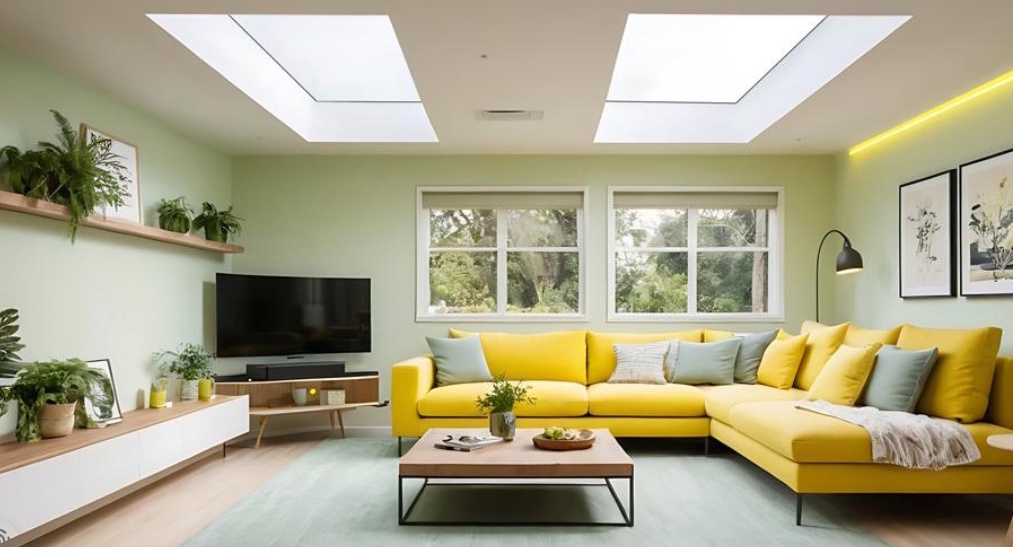
Navigating Regulatory Requirements for Premium Glazing
Summary: The Essentials of Compliance and Quality
- Permitted Development Rights: Most roof lantern installations fall under Permitted Development, provided they do not extend more than 150mm above the existing roof plane on a sloping roof, or exceed the height limits of a flat roof extension.
- Thermal Efficiency Mandates: Beyond planning, installations must meet the requirements of Building Regulations (Part L). The Stratus system utilises a polyamide nylon glass composite thermal break, making it 65% more thermally efficient than conventional aluminium systems.
- Aesthetic Constraints: In Conservation Areas or Listed Buildings, the slim sightlines (66mm) and architectural profile of a high-quality lantern are critical for approval.
Clarifying the Rules: Do I Need Planning Permission for a Roof Lantern?
When planning a contemporary home extension or renovating an existing flat roof, introducing natural light is often the primary architectural goal. However, before the first cut is made into the roof deck, homeowners and installers alike must navigate the nuances of UK property law. A common query we field at Stratus is simply: Do I need planning permission for a roof lantern?
In the vast majority of scenarios, installing a roof lantern is considered a “Permitted Development.” This means you do not need to apply for full planning permission, provided specific limits and conditions are met. However, assuming this applies to every project can be a costly mistake. As the Rooflight Authority, we believe that understanding the intersection of legal compliance, thermal performance, and aesthetic design is vital for a successful build.
The Criteria for Permitted Development Rights
Permitted Development (PD) rights allow homeowners to make improvements without the bureaucracy of a full planning application. For roof lanterns and skylights, these fall under Class C of the Town and Country Planning (General Permitted Development) (England) Order 2015.
To remain within PD rights, your installation must generally adhere to the following:
- Protrusion Limits: On a sloping roof, the lantern must not project more than 150mm from the plane of the existing roof slope. However, this rule is specifically tailored for flat roofs, the most common roof type for our Stratus Lantern Roofs. In a flat roof extension, the lantern is usually considered part of the overall roof height. The total height of the extension (including the lantern) must not exceed 3 metres (or 4 metres for a dual-pitched roof).
- Height Relative to House: The highest part of the roof lantern must not be higher than the highest part of the existing dwelling’s roof.
- Side-Facing Glazing: If a lantern is placed on a side elevation roof slope, it must utilise obscure-glazing and be non-opening unless the opening parts are 1.7 metres above the floor level.
If your architectural vision exceeds these parameters, or if your property is a flat or maisonette (which do not possess PD rights), you will need to submit a formal application.
Why is a Thermal Break Essential for Building Regulations?
While roof lantern planning permission addresses the appearance and size of the structure, Building Regulations (specifically Part L) address performance. This is where the engineering superiority of the Stratus system becomes the defining factor for approval and long-term comfort.
Standard aluminium is highly conductive; without intervention, it acts as a thermal bridge, transferring cold air from the outside to the inside of the room. This leads to condensation, mould growth, and significant heat loss.
Stratus eliminates this issue through advanced engineering. We utilise a hard-wearing, polyamide nylon glass composite thermal break. This acts as a barrier within the frame, stopping cold bridging dead in its tracks. Because of this innovation, the Stratus system is 65% more thermally efficient than conventional aluminium roof systems.
When a building inspector assesses your extension, they are looking for low U-values (the measure of heat loss). By choosing a fully thermally broken system, you not only satisfy regulations but also ensure the room remains a viable living space year-round, rather than an “ice box” in winter.
Design Considerations: Aesthetics and Conservation Areas
If your property is located within a Conservation Area or is a Listed Building, the question “Do you need planning permission for a skylight?” usually results in a “yes.” In these sensitive environments, the lantern’s visual impact is scrutinised closely.
Planning officers favour designs that minimise visual bulk and mimic historical refinement. This is where the Stratus design philosophy excels.
- 66mm Slim Sightlines: Our ridges and hips are engineered to be incredibly slender. At just 66mm, they offer a minimalist, contemporary aesthetic that maximises the glass area and minimises the frame.
- Discreet Finish: The low-profile design ensures the lantern is often unobtrusive from street level, a key requirement for sensitive planning applications.
- Architectural Heritage: The ability to specify square roof lanterns or rectangular configurations allows the fenestration to align perfectly with the building’s symmetry below.
Solving the “Greenhouse Effect” with Solar Control Glass
A common hesitation regarding skylight planning permission and installation is the fear of overheating. Older conservatories often suffered from the “greenhouse effect,” becoming unusable during the height of summer.
Modern planning often requires evidence of energy efficiency, not just in retaining heat, but in managing it. Stratus lanterns can be specified with high-performance Solar Control Glass. This glazing technology features a microscopic coating that reflects a significant percentage of solar heat (g-value) while still allowing light transmission.
- Temperature Regulation: Keeps the interior cool in summer and retains warmth in winter.
- UV Protection: Significantly reduces the sun’s bleaching effect on furniture and flooring.
- Reduced Glare: Creates a softer, more comfortable light for living areas and kitchens.
Durability and Installation: The Stratus Advantage
For installers and homeowners alike, the unit’s physical quality is as important as the legalities. A roof lantern is a significant structural alteration; it must be robust enough to withstand the UK weather without degradation.
Our systems are crafted from heavy-duty, powder-coated aluminium. Unlike uPVC, which can expand, contract, and discolour significantly over time, powder-coated aluminium offers exceptional durability and colour stability. It provides a weather-tight seal that protects the property envelope against wind and driving rain.
Furthermore, the Stratus system is designed for ease of installation. The innovative clip-in system allows rapid on-site assembly, reducing the time the roof is open to the elements—a practical benefit any professional installer will appreciate.
Alternative Options: When Height is Restricted
In scenarios where skylight planning permission is denied due to height restrictions, perhaps a neighbour’s right to light is affected, or the extension limit is strict, there are alternatives.
While the lantern offers architectural grandeur, a flat rooflight sits flush with the roof deck. For projects requiring an ultra-low-profile solution, we recommend considering the Stratus flat skylight. These units offer the same polyamide thermal-break technology and safety-glass features, but with zero projection issues, often bypassing strict height objections in planning applications.
Ensuring Compliance and Comfort
To answer the question: Do you need planning permission for a skylight or lantern? Generally, no, provided you stay within PD limits. However, compliance is about more than just dimensions. It is about ensuring the structure meets rigorous thermal performance standards and enhances the home’s architectural integrity.
By choosing a system that is fully thermally broken, aesthetically refined with slim sightlines, and glazed with solar control technology, you future-proof your investment against rising energy costs and regulatory changes.
We supply a vast range of UK roof lanterns designed to meet these exacting standards. Whether you are an installer looking for a reliable, high-margin product or a homeowner seeking the perfect finish to your extension, Stratus provides the technical assurance you require.
Enhance your home with superior thermal performance. Call our team on 0800 046 3924 or contact Stratus here.